

Orthognathic surgery / Jaw Surgery
When jaws don’t meet correctly and/or teeth don’t seem to fit with jaws, orthognathic surgery may be needed. Teeth are straightened with orthodontics, and corrective jaw surgery then repositions the misaligned jaw. This not only improves facial appearance, but also ensures that teeth meet correctly and function properly.
These types of facial alterations appear in the growth phase of patients, they can cause problems such as malocclusion problems, TMJ disorders, sleep apnea or skeletal disharmony, among others.
They must be corrected aesthetically but above all also functional and achieve a correct occlusion and not suffer difficulties when speaking or chewing.

Frequently asked questions
How do I know if I have a dentofacial deformity?
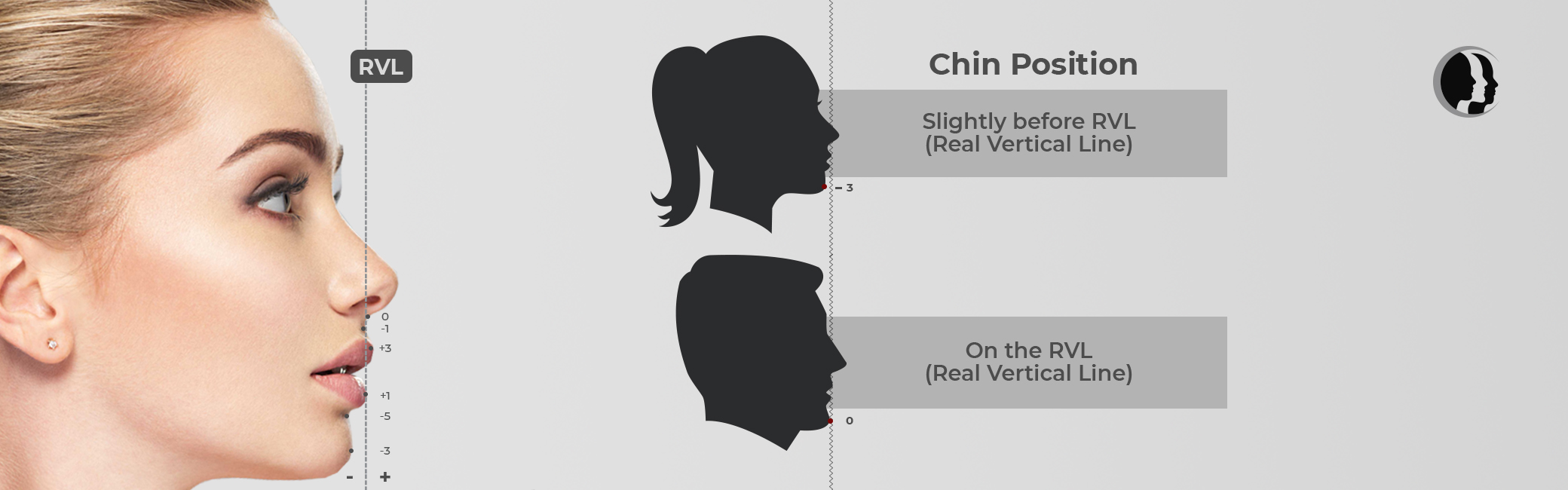
The usual thing is that the patient himself feels that his face is not harmonious, and that the cause is not an alteration of the skin. It is very likely, therefore, that some of the bones of the face (jaw, maxilla, chin, nose or cheekbones) have an altered position or size. It is also common for the way of chewing to be different from other people: this may indicate that the deformity affects the maxilla or jaw.
Will I have scars after the intervention?
The incisions are made internally of the oral cavity, so there will be no visible scar.
Is recovery very painful?
The pain is different in each individual, but the vast majority of patients experience some minor discomfort for approximately 2 weeks. The team will prescribe medications to minimize them, and in a few days the patient will be able to return to normal activity.
What is the relationship between orthognathic surgery and orthodontics?
If the deformity affects the maxilla or mandible, the location and occlusion of the teeth is altered. In these cases, it is essential that the surgeon’s work is complemented by that of the orthodontist. This will achieve a correct occlusion as well as the desired facial harmony.
How long does orthognathic surgery take?
In the case of a bimaxillary surgery we need 2-3 hours on average, while with a monomaxillary surgery we require approximately an hour and a half.
What is the diet that I will follow after the intervention?
At the end, the patient will be given some instructions, detailing the dietary plan for proper recovery, starting with a liquid diet and, after a few days, a soft diet. It will be depending on the evolution when the patient can recover his usual diet
Make an appointment with us